Skip to content

Science

Synthesis 101: The Hydrothermal Method

Synthesis 101: The Hydrothermal Method

The hydrothermal method, which reproduces the natural conditions under which crystals are formed, is fascinating and enables the creation of high-quality gems in the laboratory. This method is used to produce synthetic quartz, emeralds and corundum, offering a sustainable alternative to natural gems. Although the process is costly and time-consuming, it guarantees high-quality crystals used in jewelry and the electronics industry. Hydrothermal gems offer an ecological and ethical option for meeting gem demand without exploiting limited natural resources.

Gallery of Mineralogy 2024: My favorite pieces – Part 2!

Gallery of Mineralogy 2024: My favorite pieces – Part 2!

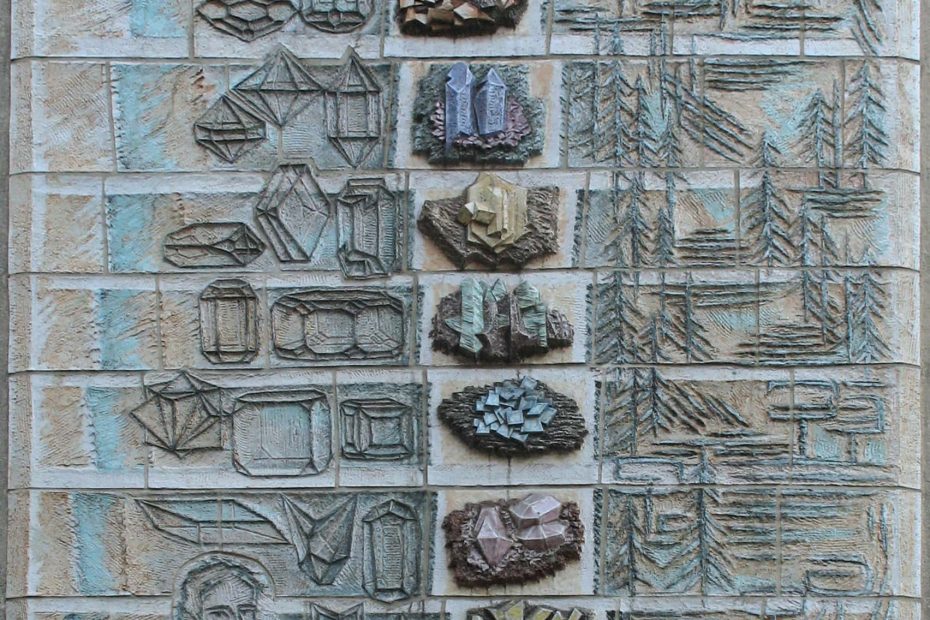
The second part of the gallery of mineralogy, or Galerie de Géologie et de Minéralogie at the Muséum national d’Histoire naturelle in Paris is simply captivating! Incredible finds, dazzling gems and even a fascinating iron meteorite are on display. From vibrant topaz to prismatic rubellite, each piece is a unique treasure. The meticulous work on a gemstone fresco and a slice of polyhedral agate is nothing short of impressive. Fossilized agates and an iron meteorite add a unique touch to this remarkable collection. And to top it all off, a majestic bronze statue. What a wonderful exploration!

Gallery of Mineralogy 2024: My favorite pieces – Part 1!

Gallery of Mineralogy 2024: My favorite pieces – Part 1!

I invite you to take a virtual tour of the magnificent mineralogy gallery at the Jardin des Plantes in Paris! Discover an impressive collection of minerals, rocks and fossils from all over the world, illustrating the history of the Earth and the evolution of life. Admire unique specimens such as tourmaline quartz, pyromorphite, giant beryl crystal, calcite, rhodochrosite, malachite, red fluorite and many other treasures. Immerse yourself in the fascinating world of geology and mineralogy from the comfort of your own home, and let yourself be amazed!

Gem 101: The Most Common Treatments

Gem 101: The Most Common Treatments

Gemstone treatments are designed to improve quality and appearance. These techniques, such as heat treatment, irradiation and filling, have been used for centuries. It is essential for a gemmologist to understand these treatments in order to accurately appraise gemstones. When purchasing, it is advisable to ask for a certificate of authenticity to find out what treatments the stone has undergone. If in doubt, consulting a professional gemmologist is the best option for personalized advice and detailed information. Mastering these treatments allows you to fully appreciate the beauty and value of precious stones. So what are the most common treatments?

Gem 101: Gem porosity

Gem 101: Gem porosity

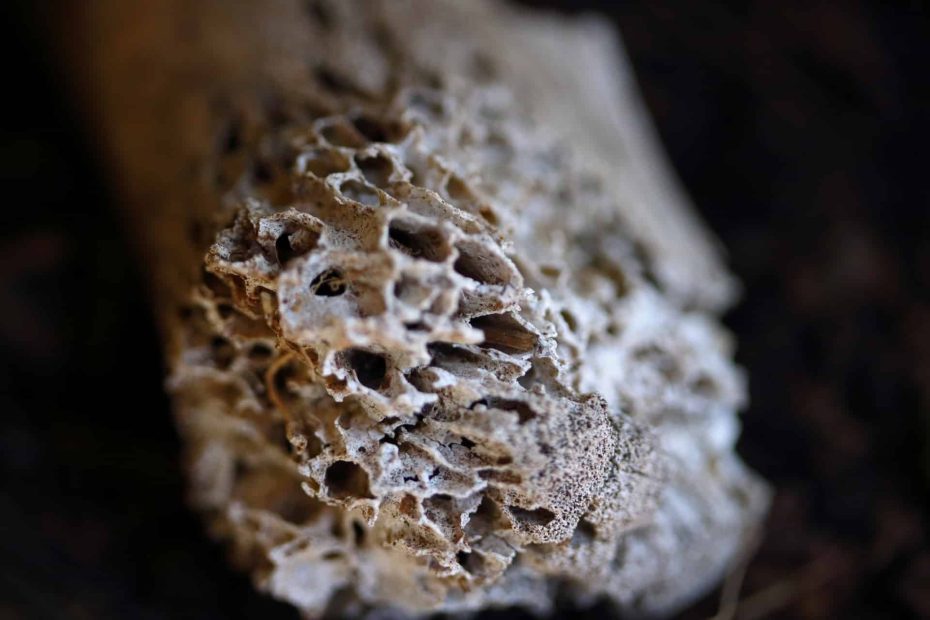
In this beginner’s guide, we explore the significance of gem porosity, its importance and its influence on the appreciation and care of natural treasures. Whether you’re an experienced collector or a hobbyist, this guide will provide you with invaluable information. Get ready to see these gems in a whole new light.

Gem Glossary

Gem Glossary

Immerse yourself in the captivating world of gemology with our comprehensive gem glossary! Discover the mysteries of gemstones and minerals, exploring hardness, color and more. With our guide, become a true connoisseur, ready to decipher the enigmas of the earth and discover the infinite beauty of natural gems.

Gem 101: Gem Optics Made Easy

Gem 101: Gem Optics Made Easy

Gems have entranced humanity for millennia with their mystical beauty, but their true allure lies in the optical phenomena beneath their surface. From refraction creating brilliant sparkle to dispersion forming colorful sparkles, each aspect contributes to their unique beauty. The chatoyant effect and asterism add enchanting visual effects, while color and opalescence play a crucial role in their appeal. Labradorescence and aventurescence further enhance their charm. Gem optics unveils the secrets behind these precious stones, showcasing a mesmerizing optical story that goes beyond surface beauty. Each gem holds a fascinating optical tale, making their beauty truly extraordinary and timeless.

Identification test #1: the scratch test

Identification test #1: the scratch test

The scratch test, a centuries-old technique, remains invaluable in gemmology and sculpture. By gently scratching the surface of a material with a harder substance, experts assess relative hardness using the Mohs scale. This simple yet effective method reveals vital information about durability and authenticity. When performed with care, it helps classify and preserve gems and sculptures. However, it’s crucial to approach this technique with caution and consult experts when dealing with high-value specimens. Remember, never use it on historically or culturally significant objects. Following the rules of the scratch test ensures responsible and appropriate use, contributing to the proper classification and preservation of gems and sculptures for generations to come.

Gem 101: Understanding the Mohs Scale

Gem 101: Understanding the Mohs Scale

The Mohs hardness scale, developed in 1812, is a crucial tool for assessing the hardness of minerals and materials. Comprising ten minerals in ascending order of hardness, it aids geologists, archaeologists, and materials scientists in tasks ranging from mineral identification to material selection for industrial use and jewelry making. The scale’s simplicity and efficiency enable engineers to choose appropriate materials for various applications, and it plays a vital role in jewelry design and archaeological studies. With its enduring value, the Mohs hardness scale empowers informed decision-making, ensuring durability and functionality across multiple disciplines.